


Your Complete Guide to Windscreen Protection
Your car’s windscreen is one of the most important parts of your car to keep clean and safe.
Purpose-built for your protection, windscreen glass is specifically designed not to shatter like regular class in the event of an accident. Windscreen glass is also constructed with durability in mind, rendering it more difficult to chip and scratch than standard glass.
However, it isn’t indestructible - damage can and does occur. Thankfully, there are preventative measures you can take to avoid superficial and substantial harm.
Why Windscreen Protection Matters
Simply put, windscreen protection matters because you matter, as does anyone else in your car with you, as well as those on the roads around you.
Imagine driving a car without a windscreen? Not ideal, especially on a wet and windy day. Now imagine driving a car without a windscreen in the event of an accident or collision. ‘Not ideal’ is a severe understatement, really.
A windscreen does cover you, though, as one of many installed safety mechanisms vital to both your journey and your welfare. With that in mind, it’s important to ensure that your windshield is in optimum condition every time you get behind the wheel.
Windscreen Maintenance Tips
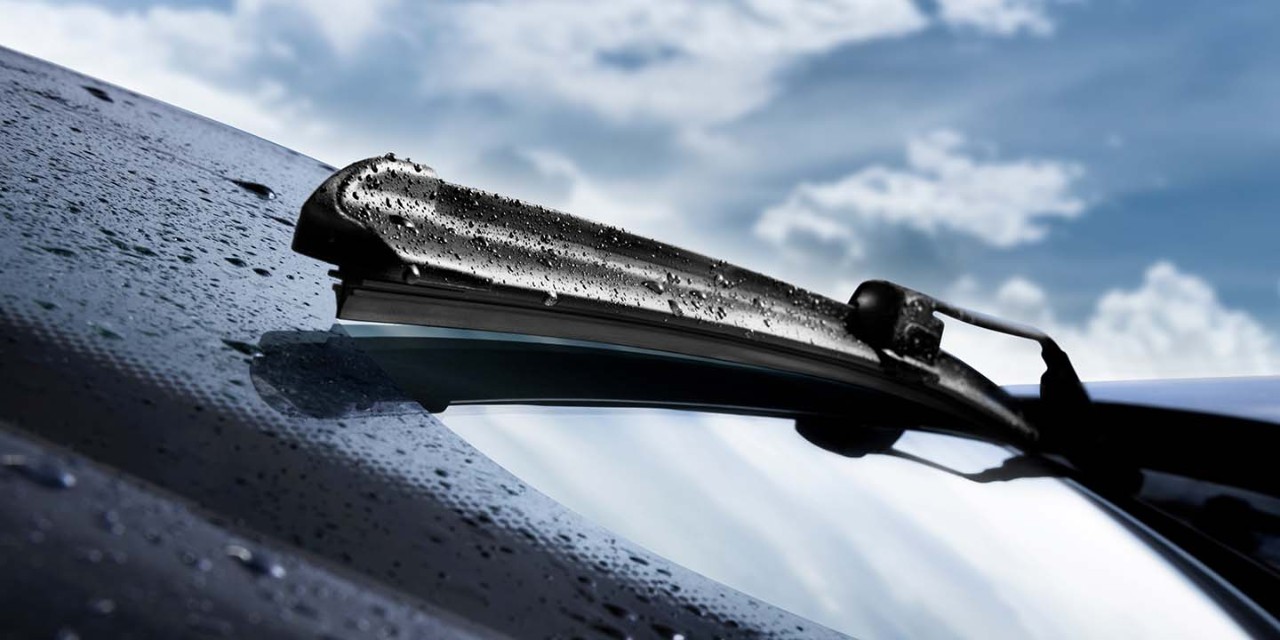
Replace your wiper blades regularly
The consensus seems to be that replacing your wiper blades every six months is the way to go.
Remember, these blades are in direct contact with your windscreen. Given our frequently changeable weather conditions in Ireland, it’s a safe bet that they’ll see plenty of use throughout the year, so you won’t want deteriorating or damaged wipers potentially leaving scratch marks.
Don’t neglect them when washing your vehicle, either - but never use washing-up liquid here as it could damage the wipers and leave a potentially dangerous film on the windscreen.
And if you do find yourself using them less often, make sure the rubber from the blades isn’t sticking to the windscreen. Plastic wrap under the blades is an easy solution here.
Avoid sudden temperature changes
As noted, Irish weather is predictably unpredictable - ‘four seasons in one day’ and all that - so you’ll want to be mindful of any sudden changes.
Granted, we don’t tend to experience extreme shifts in temperature like some other countries, but the move from summer into the autumn/winter season can make your windscreen more vulnerable.
Let’s say there’s a small chip in your windscreen right around the time the mornings and nights are getting that much sharper - this change in temperature can cause the glass to expand and contract, quickly upgrading that chip into a nasty crack. Perform regular inspections on the state of your windshield, and get any chips or cracks repaired immediately should you spot them.
Also, try to avoid using boiling water to clear up your windshield on a particularly freezing morning as it can directly cause cracks - de-icer is the sensible and safer option.
Check washer fluid and jets
No point in having best-in-class wiper blades if they’re only dealing with dirt and grime, right?
Check you’re not running low on washer fluid and be careful not to use the wrong type of fluid as doing so can result in a sub-par clean and leave behind streaks and stains - this isn’t just an aesthetic issue, it can affect your overall vision.
The jets will also need some routine upkeep. If they’re clogged or malfunctioning, your windscreen won’t just receive an inadequate supply, it may end up damaged due to micro-scratches left behind by tough dirt coming through to your wiper blades.
Inspect for small chips and fix early
As we said above when discussing sudden temperature shifts, you really don’t want to overlook the presence of a small chip on your windscreen.
This isn’t just temperature-related, though! Get these problems fixed immediately no matter what time of year or weather condition you’re facing.
Keep a safe distance from other vehicles
A generally recommended safety-first approach and one that will hopefully avoid any unnecessary windscreen damage coming your way via other road users.
Be mindful of the type of vehicle you’re in close proximity to, also. One of the most common causes of windscreen damage comes from driving behind construction vehicles.
Large trucks and construction vehicles have more wheels, making them more likely to kick up gravel and debris on the road, and if you are driving behind them, this debris can crack your windscreen. Your windscreen can even be in danger when driving beside them, so always attempt to stay ahead of them.

Common Windscreen Problems and How to Fix Them
How to stop your windscreen from freezing
We mentioned looking for an alternative to boiling water when your windscreen freezes up, so let’s now look at what we can do to prevent it getting into that state in the first place.
Consider investing in a windscreen cover - they don’t cost all that much and can provide protection not just from arctic blasts but from strong UV rays during warmer days.
If you can park your car in a garage or at least park it outside where it faces the sunrise, that’s a pretty handy way to cut out the frost build-up problem altogether.
How to demist or defog your windscreen
We’ve written a full article to help you defog your car windows quickly – but here are a few quick tips to get you started:
Always do this before you drive anywhere, as a general rule.
A nice old-school trick is to switch on your heater and give it about 10 minutes to clear out the windscreen - start off at a low temperature and slowly increase as you go. Turn the air conditioning on afterwards to maintain a cool, dry temperature.
If your vehicle lacks air conditioning or a tailored climate control system, once again go the old-school route - roll those windows down and let the outside environment in for a little bit.
There are other DIY options you could consider, such as using shaving foam on your windscreen (use a plastic ice scraper, not a razor, mind) or making your own de-icer using a mixture of vinegar and water, but we’d recommend doing some further research there before just giving it a go.
Safest bet? Throw a thermal blanket on there.
How to clean the inside of your windscreen
A smaller job than the outside on paper, yet often an awkward and uncomfortable task.
You’ll need:
- A microfiber cloth (or two). This is a softer and gentler option than a generic sponge or everyday towel, and it’s great at picking up loose dirt without leaving scratches behind.
- Glass cleaner - or a mix of warm water with a dash of washing-up liquid. Avoid oily sprays and polishes.
1. Start by wiping down the windscreen with your cloth, keeping it dry for now. Spray the cloth with the cleaner and work your way around the screen while being careful not to go over the same areas, dragging dirt with you.
2. Think of it like the outline of a jigsaw puzzle where you piece together the edges and overall border first, then concentrate inwards.
3. Finally, give it a once-over with a dry cloth when you’re done.
How to clean a greasy windscreen
If you’re dealing with persistent grease and grime, you’ll need to go deeper.
Add some rubbing alcohol to the cloth (or into the mix of warm water and washing-up liquid) or use a dedicated glass cleaning spray that’s alcohol-based.
How to stop windscreen wipers from squeaking
You can hear it right now, can’t you? So distinctive is the sound of a squeaky windshield wiper. And it’s not a pleasant noise, either.
Hopefully you’ll sidestep this by replacing your wipers regularly - that irritating sound often arises as a result of good old-fashioned wear and tear.
Nonetheless, should the dreaded squeak announce itself, inspect the individual wipers to make sure there’s no build-up of debris lodged in them, and give them a thorough clean, too. Oh, and make sure they’re properly installed - if they’ve been knocked loose or installed incorrectly, this could be the cause of some loud problems.
A clean windscreen is also a good deterrent.
How to get scratches out of your windscreen
Despite your best intentions, the worst has happened and your windscreen has indeed incurred some scratches. So, how do we fix this?
The first thing to do is to assess the situation - how you go about this depends on the type of scratches you’re dealing with.
Heard of the ‘fingernail’ test? Run your finger over the damage and if the scratch catches you on the fingernail, you’re looking at a deep enough scratch and will likely need to contact a professional. No catch? You may be able to handle it yourself.
Light Scratches
1. Equip yourself with a glass polishing compound, one that contains cerium oxide, and apply it directly to the scratched area.
2. Grab your microfiber cloth and slowly, carefully, work the polish into the scratch, being patient as you go.
3. Next, wipe the area clean with a different microfiber cloth. Hopefully, this does the trick - you’ll know pretty quickly if it hasn’t.
Deep Scratches
As noted, the best course of action with deeper-lying scratches is to bring a professional into the equation as you could cause a variety of damage otherwise. A professional assessment will at the very least avoid that. The most likely outcome is you’ll either need to get the windscreen machine-polished or replaced entirely.
How do I know if I need a windscreen repair or replacement?
Again, it will depend on the nature of the damage present on the windscreen and the resulting advice that comes from availing of a professional assessment.
If you’re looking to self-diagnose the issue, pay close attention to the size of the chip on the windscreen - if it’s larger than a €2 coin, you’ll need a replacement. If it’s smaller, it can likely be repaired.
Other factors to consider here include the exact position of the chip - if it’s in your line of sight while driving, you need a replacement. If the chip is at least five centimetres from the edge of the windscreen, repair should be an option.

AIG’s Car Insurance Windscreen Cover Explained
Does windscreen replacement count as a claim?
AIG’s comprehensive car insurance policy provides unlimited windscreen cover.
Does a windscreen claim affect my No Claims Bonus (NCD)?
Per your policy with AIG Ireland, if the windscreen or windows in your car are damaged we will pay for the cost of repair or replacement and the repair of any resulting scratching to surrounding bodywork.
If this is the only damage you are claiming your no claim discount will not be affected.
Does third-party cover include windscreen protection?
No, third-party cover does not provide windscreen protection - see the differences between our comprehensive and third-party policies here.
Can I choose where to repair my windscreen?
You can, though we recommended going with our AIG-approved repairer network, especially because it will be completely covered under your comprehensive policy.
Should you choose to avail of an external option, we will cover you up to €225 for replacement.
How to make a windscreen claim with AIG
Should you need to make a windscreen claim, please contact our 24-hour windscreen helpline on 1800 310 310 and provide your car insurance policy number when prompted.
Protect Your Windscreen and Your Journey with AIG Car Insurance
At AIG Ireland, we want you to understand that though a small chip on your windscreen may look like no big deal, it can have a hugely negative impact on your road safety.
Our comprehensive car insurance includes unlimited windscreen cover, so you’ll never have to worry about damage to your windscreen, however minor or major it may appear.
If you would like more information on our insurance options, contact us today to learn how we can help. We aim to provide a hassle-free experience and be there for you when it matters most.
Looking for a quote? Go right here and let’s get started.
Simple and essential car maintenance tips:
- Did you know that you can wash your car at home and still achieve professional results? Use our guide to learn how it’s done.
- Whether you’re a new driver or an experienced one, it's always important to know the basics of keeping your car in good repair. Check it out: Basic Car Maintenance Checklist
- Easy steps to ensure your car is prepared for a wet, windy and cold Irish winter. Check them out today: 8 ways to get your car winter ready
- We investigate what the NCT is and is not and give you a handy checklist to prepare your vehicle. Don’t miss out: Changes to the NCT